
Legal Resources & Blog
Browse our full library of published articles across every practice area — searchable, filterable, and built to help you understand your legal options.
79 Published Articles
Showing 79 articles
 Personal Injury
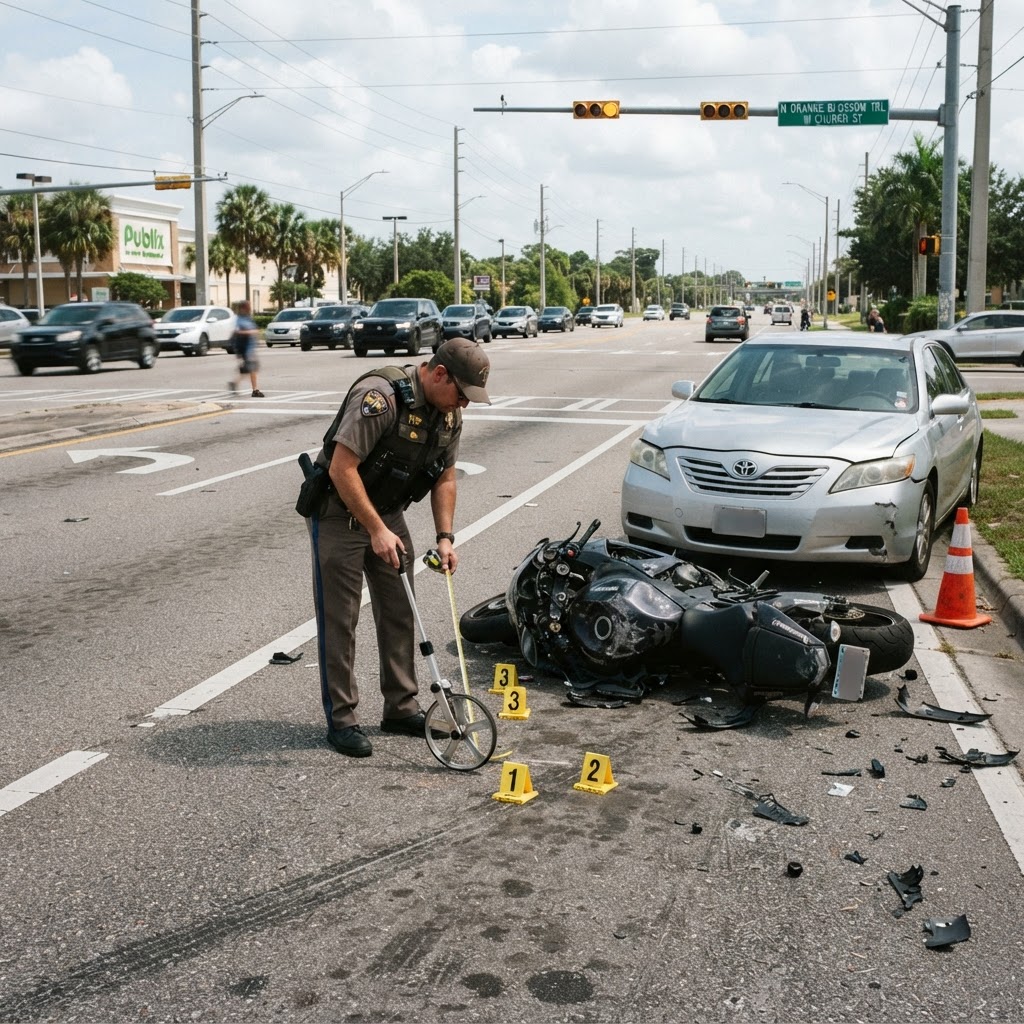
Who Is Liable for a Motorcycle Accident?
The party liable for a motorcycle accident is the person or organization whose negligence, product defect, unsafe property condition, or other wrongful conduct caused the crash and resulting injuries. Potentially responsible parties can include automobile drivers, commercial truck drivers, vehicle owners, employers, rideshare drivers, road contractors, property owners, manufacturers, repair shops, and government entities.
 Personal Injury
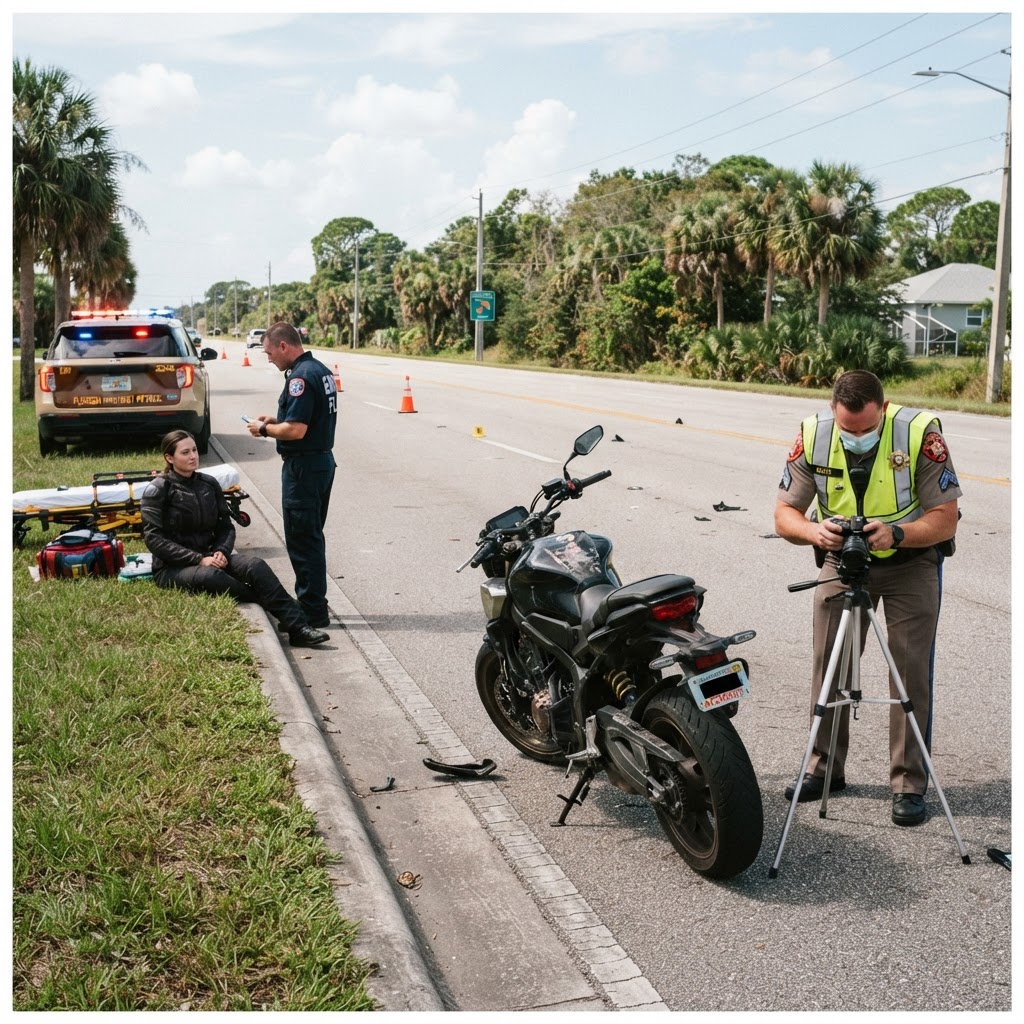
What Should You Do After a Motorcycle Accident in Florida?
After a motorcycle accident, move out of immediate danger when possible, call 911, obtain medical care, report the crash, photograph the scene, identify witnesses, preserve the motorcycle and riding gear, and notify the appropriate insurers. Motorcycle injuries can be serious even when the rider initially feels alert.
 Personal Injury
How Much Is a Motorcycle Accident Claim Worth?
A motorcycle accident claim is worth the amount of legally recoverable damages supported by the evidence, adjusted for liability, comparative fault, insurance coverage, collectability, and litigation risk. There is no reliable average settlement that determines the value of an individual motorcycle case.
 Personal Injury
Who Can File a Mesothelioma Lawsuit?
A person diagnosed with mesothelioma may be able to file a lawsuit against companies legally responsible for the asbestos exposure that contributed to the disease. When the person has died, a properly appointed personal representative may pursue a wrongful death or survival claim for the benefit of the estate and qualifying survivors.
 Personal Injury
How Do You Prove Where Asbestos Exposure Occurred?
Asbestos exposure is usually proven through a combination of personal testimony, employment records, military documents, coworker statements, product identification, jobsite records, historical photographs, invoices, ship records, contractor files, and expert analysis. A mesothelioma patient may have been exposed decades before diagnosis and may not remember every manufacturer or worksite.
 Personal Injury
What Compensation Is Available to Mesothelioma Victims?
Mesothelioma victims may have several potential sources of compensation, including personal injury lawsuits, negotiated settlements, trial judgments, asbestos bankruptcy trust claims, veterans benefits, workers' compensation or maritime claims, insurance, and wrongful death actions. The available recovery depends on where and how the exposure occurred, which companies are responsible, and whether those companies remain solvent.
 Personal Injury
What Compensation Can You Recover in a Medical Malpractice Lawsuit?
A successful Florida medical malpractice claim may provide compensation for financial losses and the human effects of an injury caused by negligent medical care. Potential damages can include additional medical expenses, future treatment, lost income, diminished earning capacity, pain and suffering, disability, disfigurement, and qualifying wrongful death losses.
 Personal Injury
How Do You Know Whether You Have a Medical Malpractice Case?
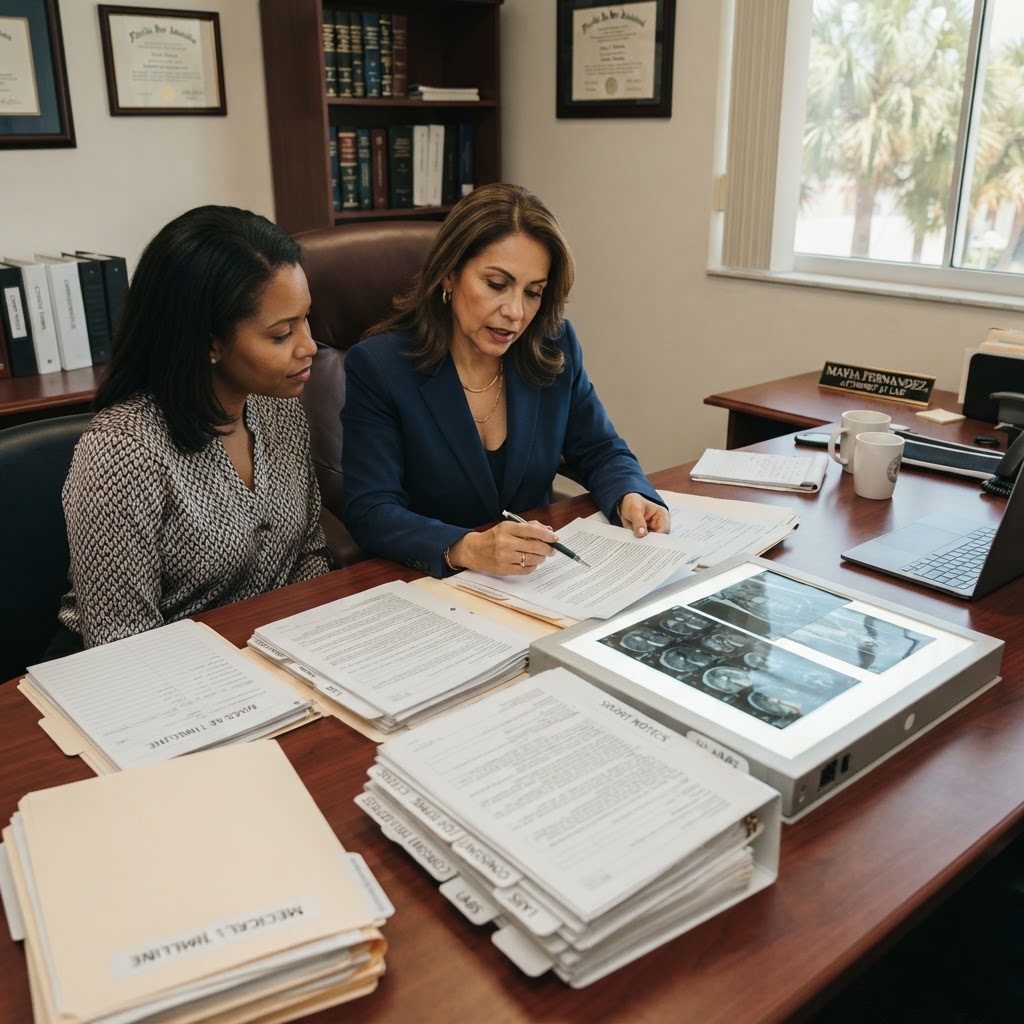
A poor medical outcome does not automatically mean medical malpractice occurred. A potential Florida medical malpractice case generally requires evidence that a healthcare provider failed to meet the prevailing professional standard of care and that the failure caused an injury or made an existing condition materially worse.
 Personal Injury
How Long Do You Have to File a Medical Malpractice Claim?
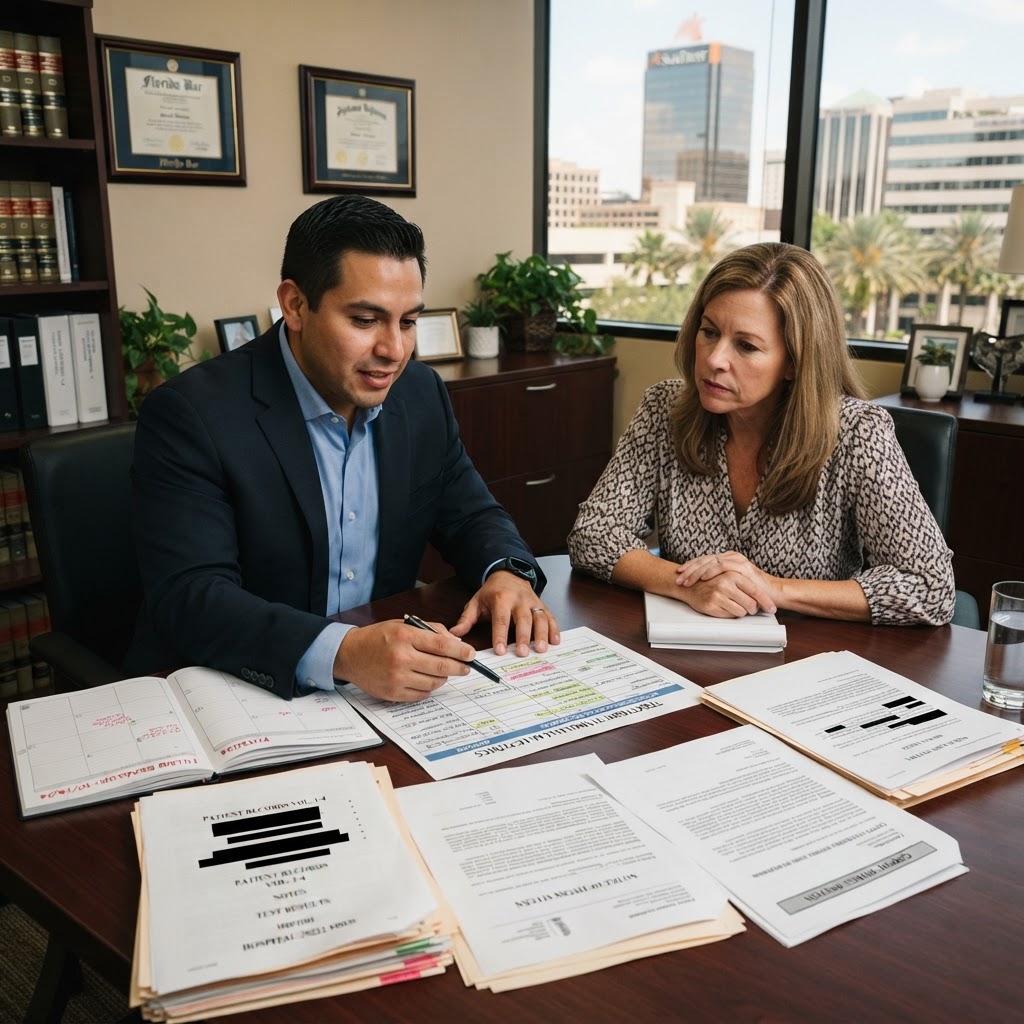
Florida medical malpractice claims are generally subject to a two-year statute of limitations and a four-year statute of repose. The two-year period generally begins when the incident occurred or when the incident was discovered—or should have been discovered through reasonable diligence. The four-year statute of repose generally creates an outside deadline measured from the date of the medical incident.
 Personal Injury
What Is the Difference Between a Mass Tort and a Class Action?
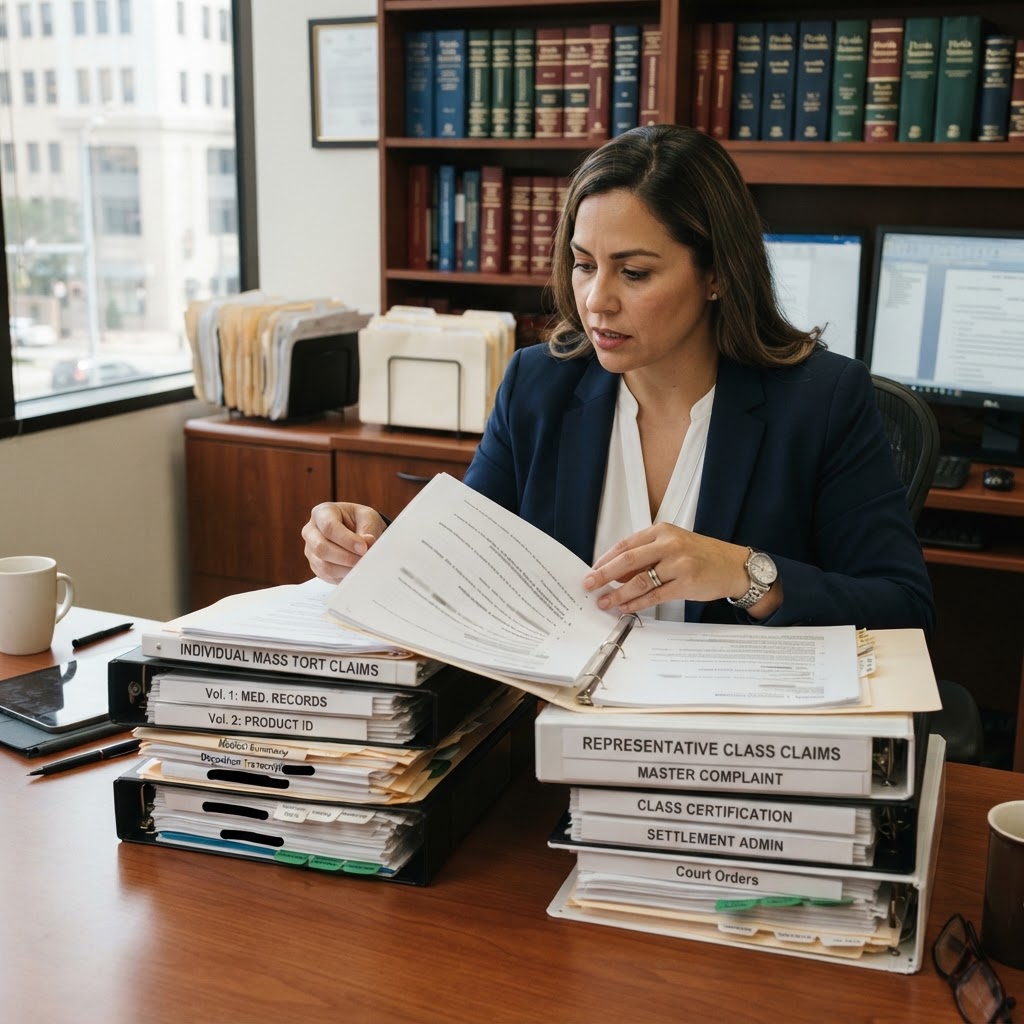
Mass torts and class actions both allow courts and attorneys to address claims involving many people who allege harm from the same product, company, event, or course of conduct. They are not the same type of case. In a class action, one or more representative plaintiffs pursue claims on behalf of a legally defined class. In a mass tort, each injured person ordinarily keeps an individual lawsuit.
 Personal Injury
How Is Compensation Determined in a Mass Tort Case?
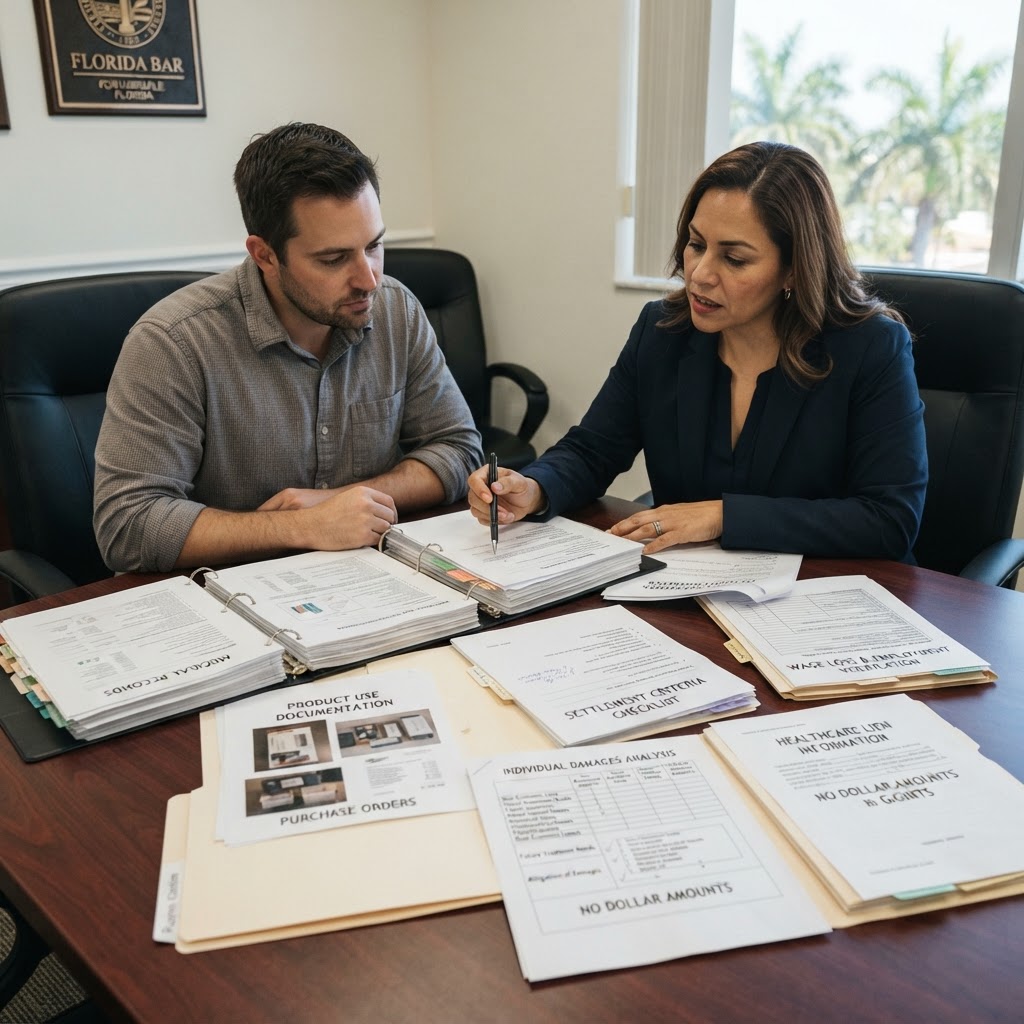
Mass tort compensation is generally based on the individual claimant's evidence rather than an equal payment to every person. The value of a claim may depend on the product or exposure involved, diagnosis, injury severity, medical treatment, permanency, causation, lost income, applicable state law, defendant conduct, available assets or insurance, and any settlement program governing the litigation. There is no universal mass tort compensation formula.
 Personal Injury
How Do You Know Whether You Qualify for a Mass Tort Claim?
You may qualify for a mass tort claim when you used or were exposed to the product, medication, device, chemical, or condition involved in the litigation and suffered an injury that can reasonably be connected to that exposure. Eligibility is not based solely on seeing the product name in an advertisement or learning that an MDL exists. A viable claim generally requires evidence concerning exposure, timing, diagnosis, causation, damages, and the applicable filing deadline.
 Personal Injury
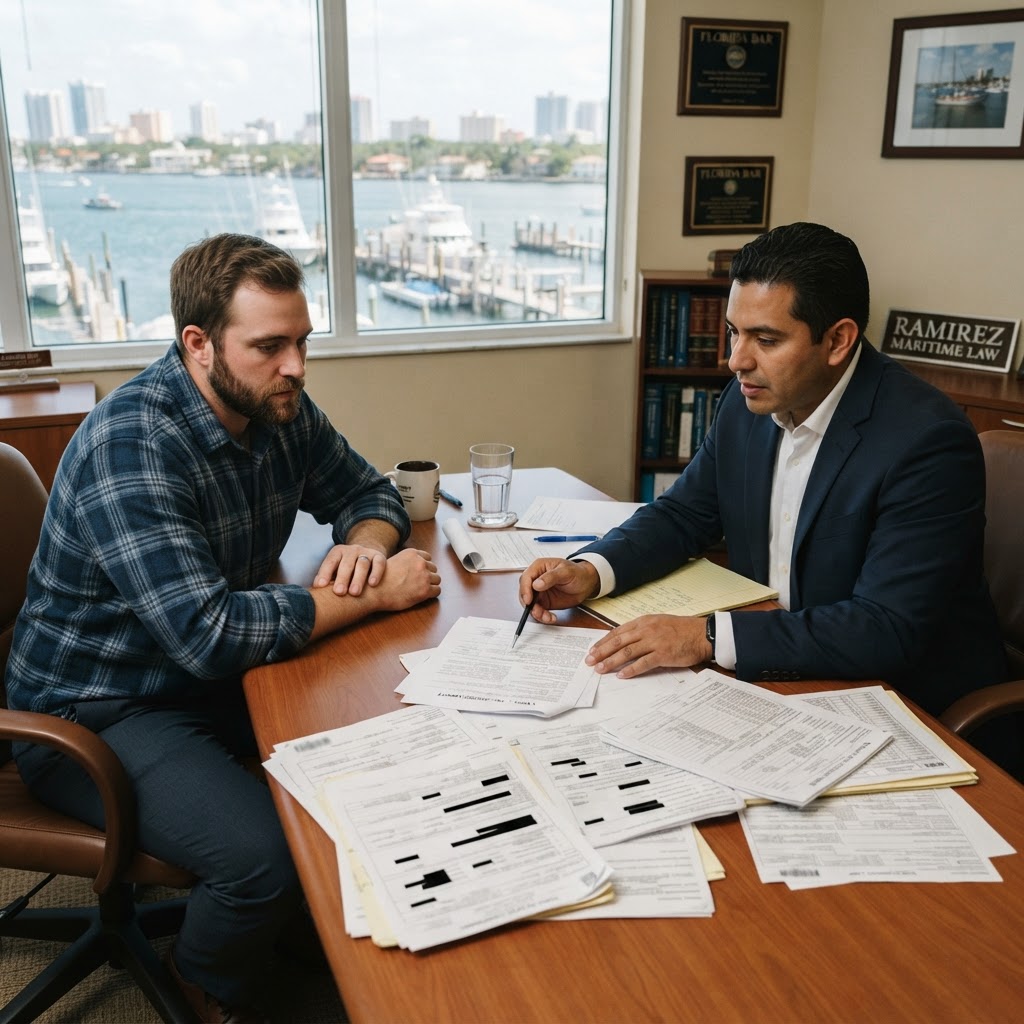
Who Is Liable for an Injury That Happens at Sea?
Liability for an injury at sea depends on who was injured, why that person was aboard, where the incident occurred, who controlled the vessel or activity, and which maritime law applies. Potentially responsible parties include the maritime employer, vessel owner, operator, charterer, crew members, cruise line, shore-excursion company, equipment manufacturer, and others.
 Personal Injury
What Rights Do Injured Maritime Workers Have?
An injured maritime worker's rights depend heavily on the worker's legal status, job duties, relationship to a vessel, location of the accident, employer, and cause of the injury. A qualifying seaman may have rights under the Jones Act, general maritime law, and the doctrines of maintenance and cure and unseaworthiness.
 Personal Injury
How Are Maritime Injury Claims Different From Other Personal Injury Claims?
Maritime injury claims can differ from ordinary personal injury cases in the governing law, available remedies, worker classification, filing deadlines, court procedure, liability standards, damages, insurance, and geographic reach. An injury aboard a vessel or near navigable water does not automatically create one uniform maritime claim.
 Personal Injury
What Are Your Rights if Your Employer Violates Labor Laws?
Employees are protected by a combination of federal, Florida, and sometimes local labor and employment laws. These laws may address minimum wage, overtime, discrimination, retaliation, workplace safety, protected leave, child labor, whistleblowing, payroll records, and other employment practices.
 Personal Injury
What Should You Do if You Experience an Illegal Workplace Practice?
If you believe your employer is engaging in an illegal workplace practice, begin by documenting the facts, preserving lawfully accessible evidence, reviewing the applicable policies, and identifying which law or agency may govern the issue. Depending on the situation, you may need to report the conduct internally, file an agency charge, preserve a whistleblower disclosure, respond to immediate safety risks, or seek legal advice.
 Personal Injury
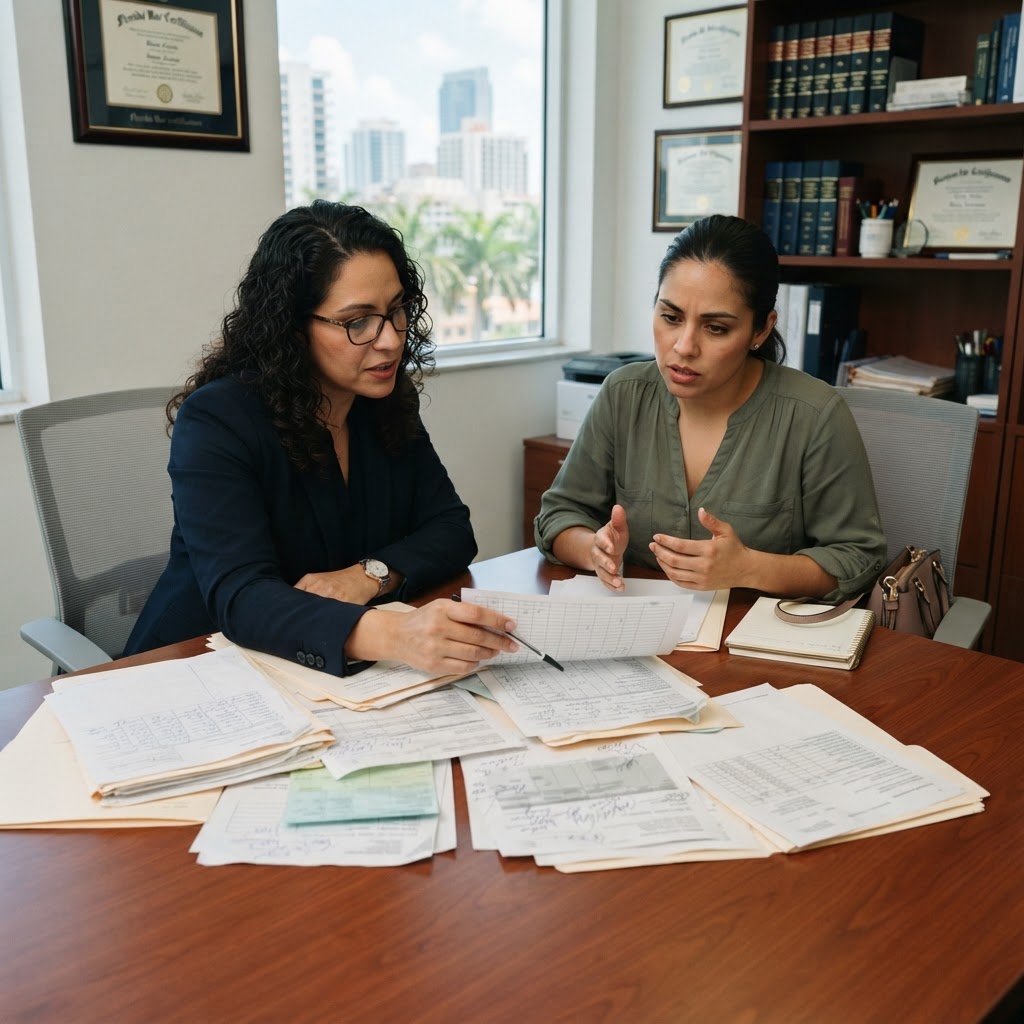
Can You Sue an Employer for Unpaid Wages?
You may be able to sue an employer for unpaid wages when the employer failed to pay compensation required by federal law, Florida law, an employment agreement, or another enforceable obligation. Common wage claims involve unpaid minimum wage, overtime, off-the-clock work, improper time deductions, unlawful tip practices, misclassification, unpaid commissions, and unpaid bonuses.
 Personal Injury
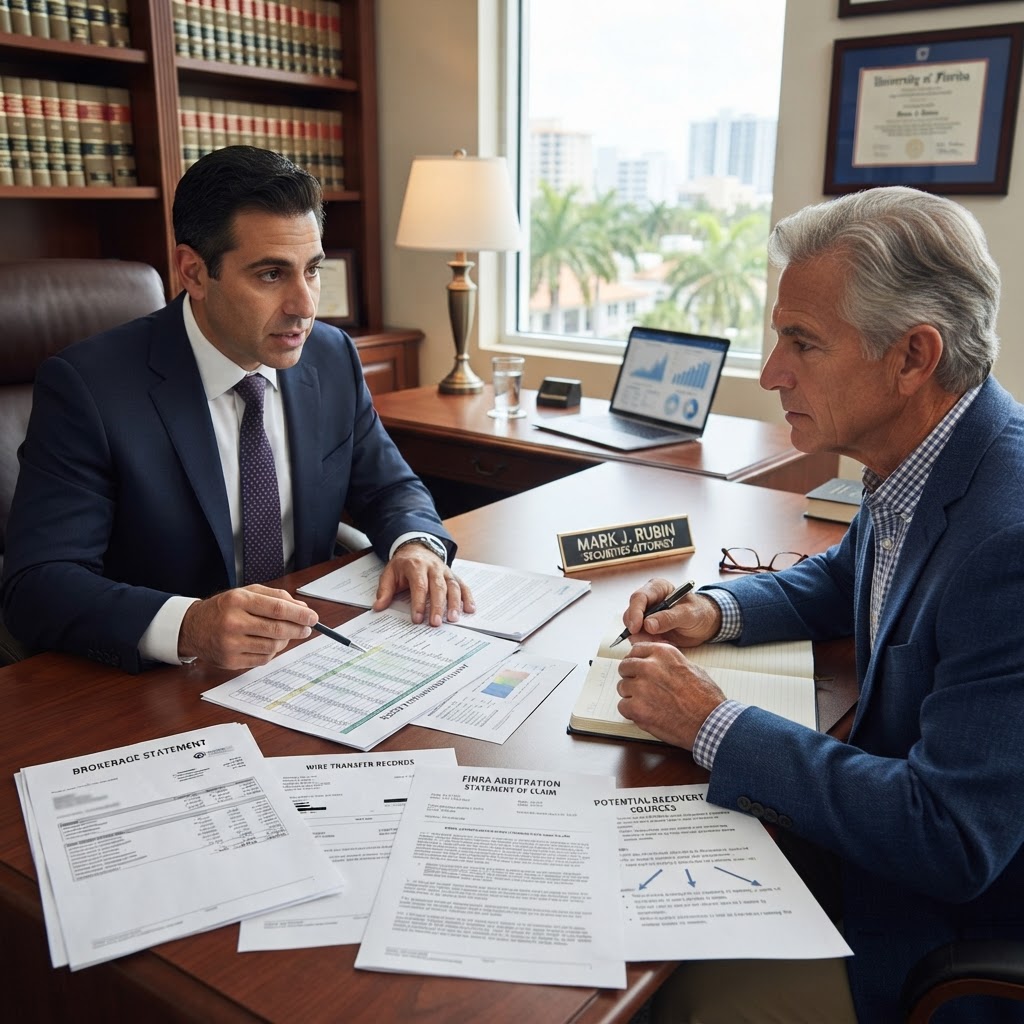
Can You Recover Money Lost Through Investment Fraud?
You may be able to recover some or all of the money lost through investment fraud, but recovery is never guaranteed. Available options depend on who committed the fraud, whether a brokerage firm or adviser was involved, where the money went, whether assets remain, and whether the responsible parties are solvent.
 Personal Injury
How Do You Know Whether You Were the Victim of Investment Fraud?
Losing money on an investment does not necessarily mean fraud occurred. Investment fraud may be involved when someone obtains or controls an investor's money through material misrepresentations, concealed facts, unauthorized activity, fabricated account information, manipulation, conflicts of interest, or a scheme that was never a legitimate investment.
 Personal Injury
Who Can Be Held Liable for Investment Fraud?
Liability for investment fraud is not always limited to the person who made the sales pitch. Potentially responsible parties may include the promoter, broker, brokerage firm, investment adviser, advisory firm, issuer, company executives, supervisors, control persons, sellers, account custodians, and professionals or businesses that knowingly participated in the misconduct.
 Personal Injury
What Should You Do if an Insurance Company Denies Your Claim?
An insurance claim denial does not always end the matter. Begin by obtaining the denial in writing, reviewing the policy and endorsements, identifying the insurer's stated reasons, preserving all evidence, and responding before any contractual or statutory deadline expires.
 Personal Injury
Can You Sue an Insurance Company for Acting in Bad Faith?
You may be able to sue an insurance company for bad faith when the insurer fails to handle a claim fairly and honestly and with due regard for the insured's interests. However, not every denied, delayed, or underpaid claim constitutes bad faith. Florida law states that mere negligence alone is insufficient.
 Personal Injury
How Long Does an Insurance Dispute Take to Resolve?
An insurance dispute may resolve in several weeks, several months, or through litigation lasting a year or longer. The timeline depends on the type of policy, complexity of the loss, amount in dispute, quality of the evidence, and whether the parties pursue mediation, appraisal, arbitration, or litigation.
 Personal Injury
Who Can File a False Claims Act Lawsuit?
A private person with material information about fraud involving federal government funds may be able to file a False Claims Act lawsuit on behalf of the United States. Relators may include current and former employees, contractors, competitors, healthcare professionals, consultants, patients, and others with evidence of qualifying false claims.
 Personal Injury
What Is a False Claims Act Case?
A False Claims Act case is a civil action involving allegations that a person or organization knowingly submitted—or caused someone else to submit—false or fraudulent claims for federal government money or property. The law can apply to fraud involving Medicare, Medicaid, TRICARE, government contracts, grants, and other uses of federal funds.
 Personal Injury
What Protections Are Available for False Claims Act Whistleblowers?
The False Claims Act protects certain employees, contractors, and agents from retaliation because of lawful efforts to stop violations of the Act or other protected activity connected to a False Claims Act case. Potential relief can include reinstatement, double back pay, interest, compensation for special damages, litigation costs, and reasonable attorney fees.
 Personal Injury
Who Is Liable When a Dog Bites Someone in Florida?
Florida law generally places responsibility on a dog's owner when the dog bites someone who is in a public place or lawfully on private property, regardless of the dog's prior viciousness or the owner's knowledge. Liability can be affected by provocation, warnings, trespass, and the conduct of other parties such as landlords or businesses.
 Personal Injury
What Compensation Can You Recover After a Dog Bite?
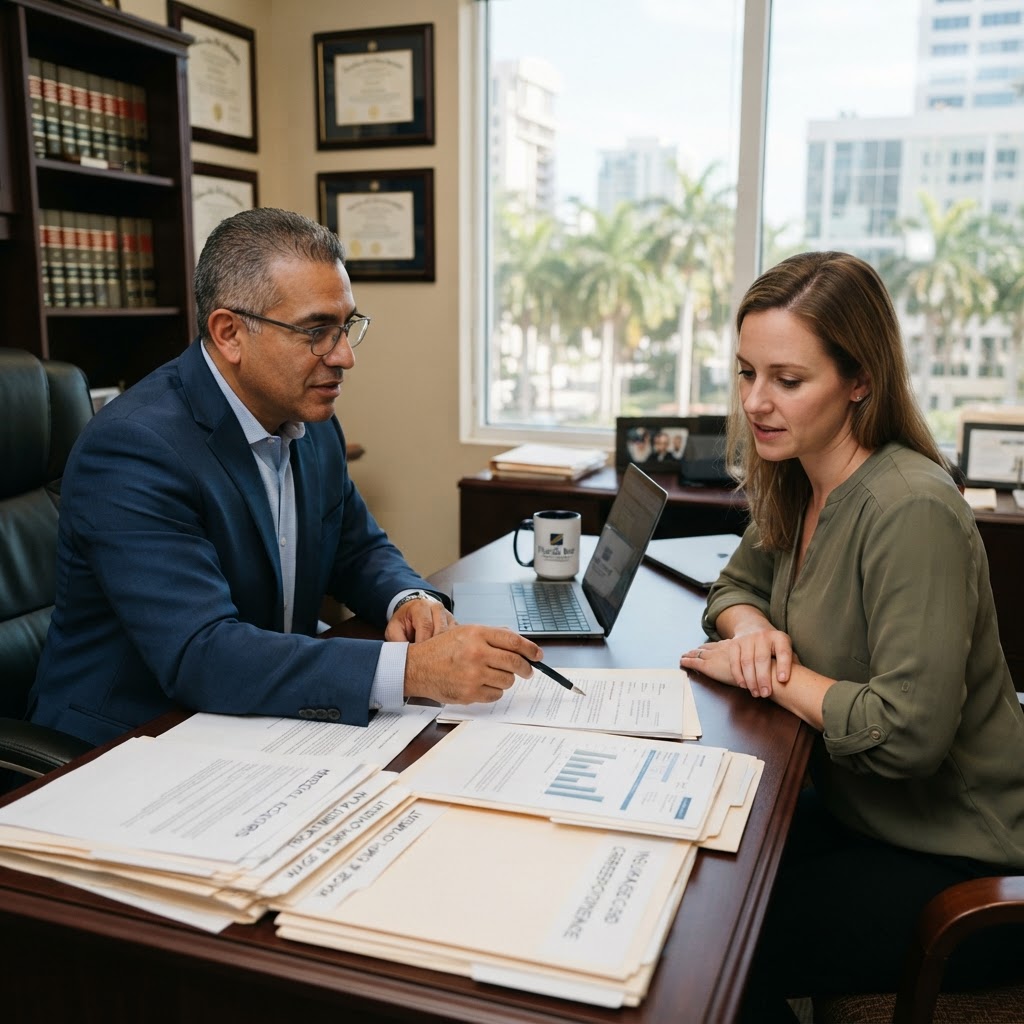
When Florida law permits a claim, a dog bite victim may seek compensation for medical treatment, future care, lost income, reduced earning capacity, pain and suffering, scarring, psychological harm, and damaged property. The amount depends on the severity of the injuries, treatment, permanency, victim conduct, insurance coverage, and strength of the evidence.
 Personal Injury
What Should You Do Immediately After a Dog Bite?
After a dog bite, move to safety, wash the wound thoroughly, control bleeding, and obtain medical evaluation. Identify the dog and owner, report the incident to the appropriate local authority, photograph the injuries and location, and collect witness information. Do not delay medical care while attempting to determine whether the owner is legally responsible.
 Personal Injury
What Can You Do if a Debt Collector Is Harassing You?
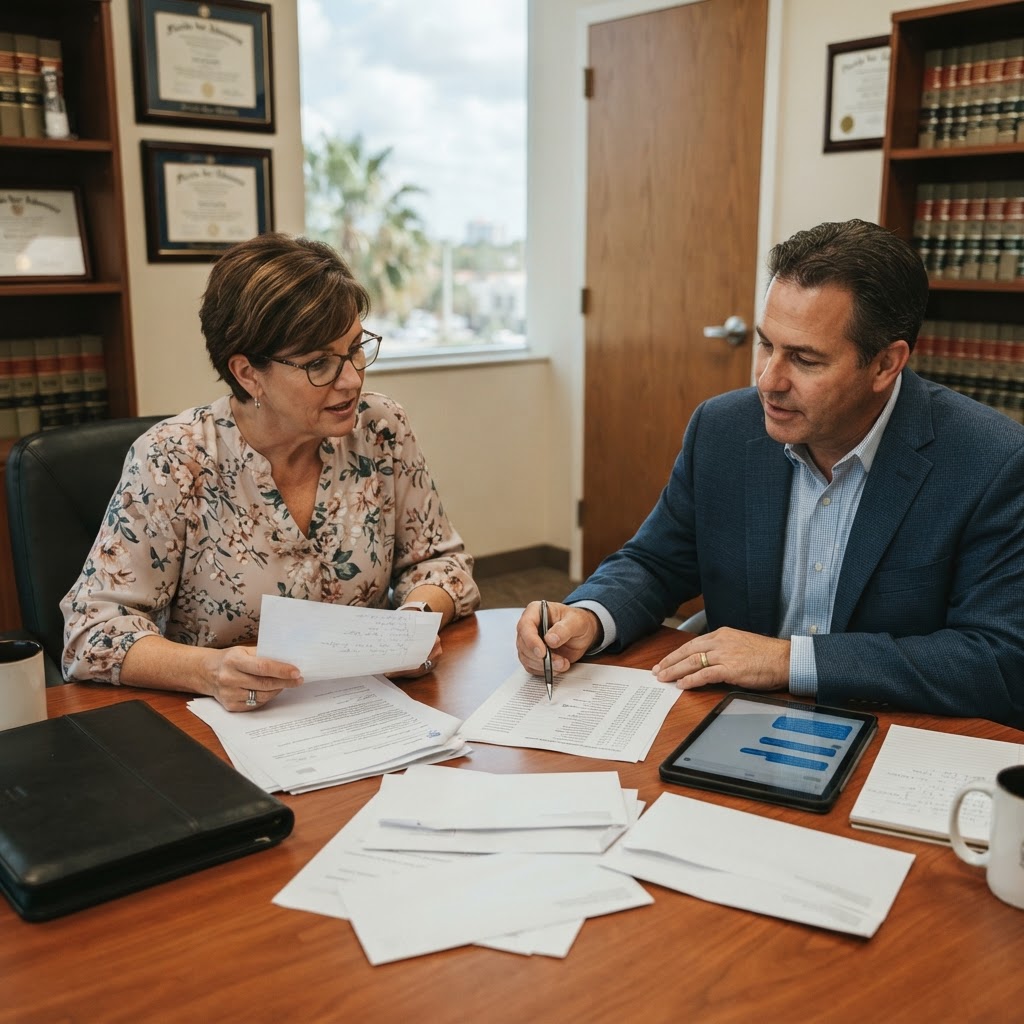
If a debt collector is harassing you, preserve every communication, ask for information validating the debt, document when and how the collector contacts you, and clearly state any communication restrictions you want the collector to follow. You may also submit complaints to consumer-protection agencies and speak with an attorney about whether the conduct violates the federal Fair Debt Collection Practices Act or the Florida Consumer Collection Practices Act.
 Personal Injury
What Debt Collection Practices Are Illegal?
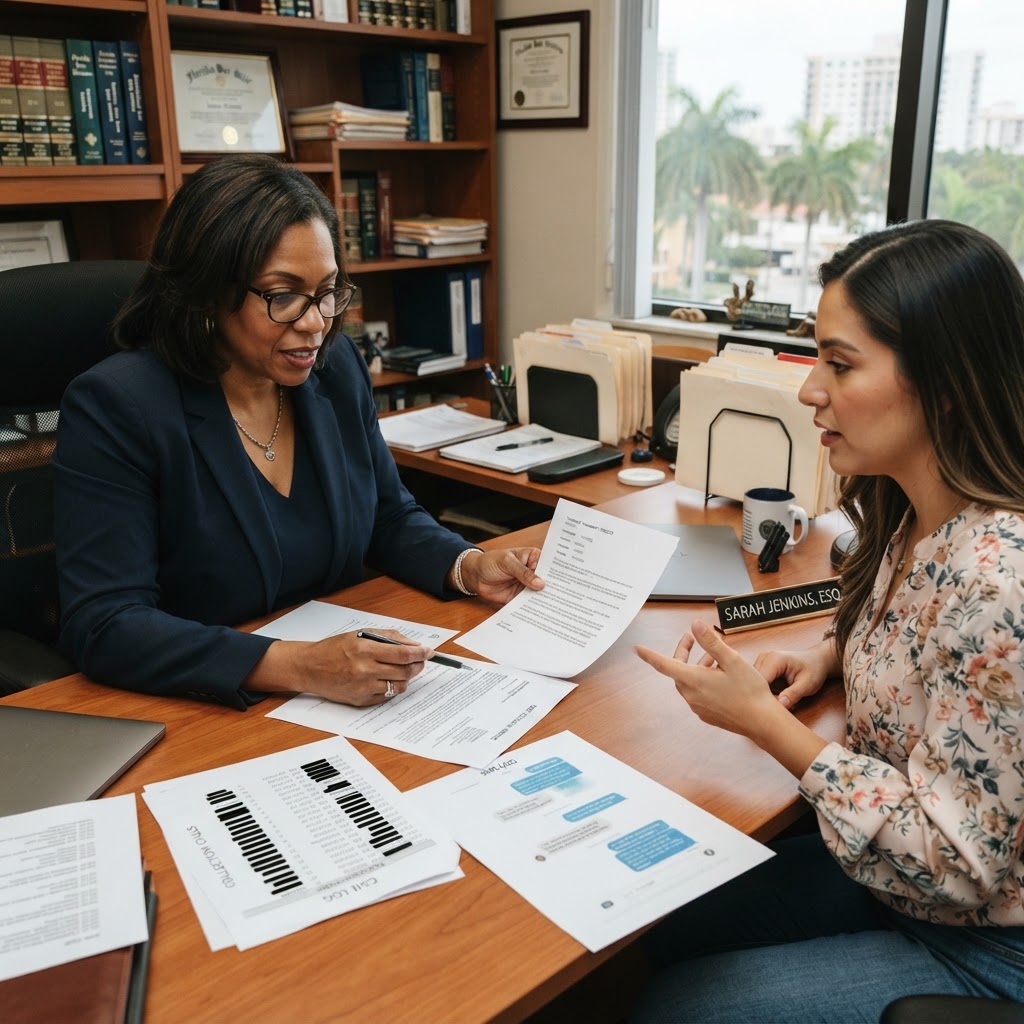
Debt collectors may ask for payment and pursue lawful remedies, but they may not use harassment, abuse, false statements, unfair methods, unauthorized fees, prohibited third-party disclosures, or threats of action they cannot legally take. The federal FDCPA and the Florida Consumer Collection Practices Act define which debt collection practices are illegal.
 Personal Injury
Can You Sue a Debt Collector for Harassment?
You may be able to sue a debt collector when its conduct violates the federal Fair Debt Collection Practices Act or the Florida Consumer Collection Practices Act. A successful claim may allow recovery of actual damages, statutory damages, court costs, and reasonable attorney fees. The federal deadline is generally one year from the violation, and the Florida deadline is generally two years.
 Personal Injury
What Should You Do After Being Injured on a Cruise Ship?
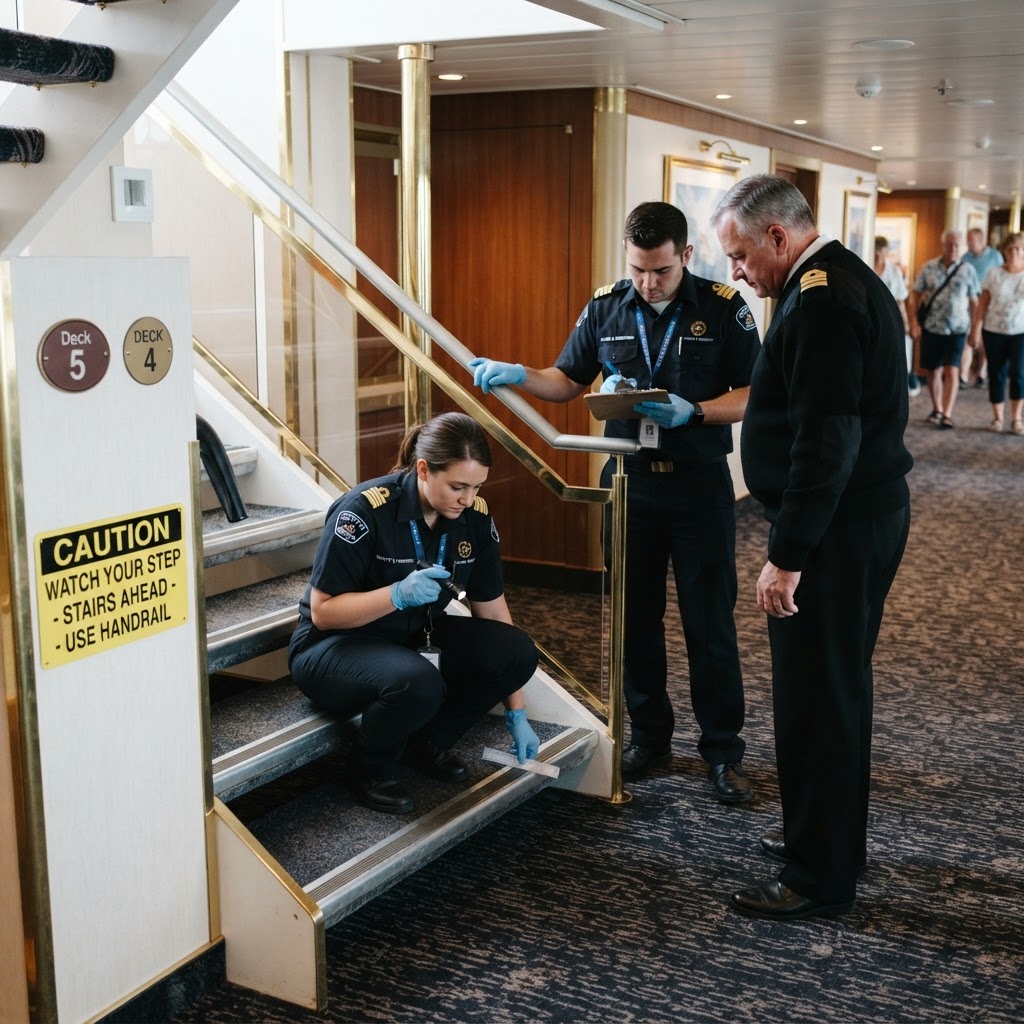
After being injured on a cruise ship, obtain appropriate medical care, notify ship personnel, document the condition that caused the injury, identify witnesses, preserve your travel documents, and request copies of available reports and medical records. Review the passenger ticket contract promptly because it may require written notice within six months and a lawsuit within one year.
 Personal Injury
Who Is Liable for an Injury on a Cruise Ship?
The party legally responsible for a cruise ship injury depends on what caused the incident, where it occurred, and which person or company controlled the activity or condition. Possible defendants include the cruise operator, vessel owner, crew member, onboard medical provider, shore-excursion company, transportation contractor, port operator, equipment manufacturer, or another passenger.
 Personal Injury
How Long Do You Have to File a Cruise Ship Injury Claim?
The general federal limitation for a personal injury claim arising from a maritime tort is three years, but cruise passenger contracts often shorten that period. For a seagoing vessel, federal law allows the ticket contract to require written notice within six months and a lawsuit within one year. The ticket may also require litigation in a particular court or country.
 Personal Injury
How Do You Know Whether You Qualify for a Class Action Lawsuit?
You may qualify for a class action when you experienced the same or substantially similar harm as a larger group because of the same defendant's conduct. But similar complaints alone are not enough—the proposed class must satisfy numerosity, commonality, typicality, adequate representation, and an authorized Rule 23 category. This article explains federal class action requirements, class definitions, the difference between class actions and mass torts, how to tell whether you are already a class member, and what evidence supports membership.
 Personal Injury
How Much Compensation Can You Receive From a Class Action?
There is no standard payment for participating in a class action. The amount a class member receives depends on the settlement fund, the number of valid claims, the allocation formula, proof submitted, attorney fees, and court approval. This article explains how class action payments are calculated, why headline settlement amounts can be misleading, distribution structures, documentation requirements, whether personal injury damages are included, taxes, and how to estimate your payment.
 Personal Injury
What Happens When You Join a Class Action Lawsuit?
What happens when you join a class action depends on whether the case is still being litigated, certified, or settled. Many class members are included automatically by fitting the class definition, but may still need to submit a claim form, opt out, or object. This article explains class notices, your main options, what happens if you do nothing, the difference between opting out and objecting, settlement approval, fairness hearings, payments, and the claims you give up.
 Personal Injury
What Compensation Can You Recover for a Serious Burn Injury?
A serious burn can cause hospitalization, surgery, skin grafting, rehabilitation, scarring, reduced mobility, emotional distress, and extended time away from work. When another party's negligence causes the injury, a Florida burn survivor may pursue compensation for current and reasonably anticipated future losses, including medical treatment, future care, scarring, lost wages, pain and suffering, and disability.
 Personal Injury
Who Can Be Held Liable for a Burn Injury?
Liability for a burn injury depends on what caused the incident and who had responsibility for preventing it. A burn may result from a building fire, vehicle crash, explosion, chemical exposure, defective appliance, electrical malfunction, unsafe workplace, or another event. Potentially liable parties include property owners, landlords, employers, contractors, manufacturers, retailers, drivers, utility providers, and government entities.
 Personal Injury
Who Is Liable for Injuries in a Bus Accident?
Liability for a bus accident depends on how the incident occurred, who owned and operated the bus, and whether another person or organization contributed to the crash. The responsible party may be the bus driver, a public transit authority, a private transportation company, a school district, a charter operator, a maintenance contractor, a vehicle manufacturer, another driver, or several parties at the same time. Because buses are often operated by businesses or government agencies, these claims may involve evidence and legal procedures not present in an ordinary collision between two private motorists.
 Personal Injury
How Is the Value of a Burn Injury Claim Calculated?
There is no standard formula for calculating a burn injury claim. The value depends on the severity and location of the burns, medical treatment, future care, permanent scarring, physical limitations, emotional effects, lost income, liability evidence, insurance coverage, and how the injury changed the survivor's life. Two people with burns described by the same degree may have very different claims.
How Are Bus Accident Claims Different From Car Accident Claims?
Bus and car accident claims can arise from the same basic legal principle: a person or organization may be responsible when negligent conduct causes an injury. However, bus cases often involve more parties, more passengers, commercial or government operators, specialized evidence, higher insurance coverage, and additional notice or filing requirements. The process may differ substantially depending on whether the bus was operated by a city, county, school district, private company, hotel, tour operator, church, airport, or another organization.
What Should You Do After a Bus Accident in Florida?
After a bus accident, prioritize your immediate safety and medical needs. Report the injury, identify the bus and operator, gather evidence when you can do so safely, obtain witness information, and preserve every record connected with the incident. Bus accident claims can become complicated quickly because the bus may be operated by a government agency, private contractor, school district, tour company, hotel, or other organization with specialized reporting and notice procedures, and government-operated buses can trigger Florida's sovereign-immunity statute.
What Compensation Is Available in a Birth Injury Case?
A preventable birth injury can create medical, developmental, educational, financial, and personal needs that continue for years or throughout the child's life. When medical negligence causes or contributes to the injury, a claim may seek compensation for reasonable past and future losses, including medical treatment, therapy, assistive equipment, home care, special education needs, reduced future earning capacity, pain and suffering, and losses experienced by the child's parents. The available compensation depends on the nature of the injury, medical prognosis, causation evidence, applicable Florida law, insurance and collectible resources, and whether Florida's Birth-Related Neurological Injury Compensation Plan applies.
Was a Birth Injury Caused by Medical Negligence?
A difficult delivery or serious newborn diagnosis does not automatically mean that a healthcare provider committed medical negligence. Birth injuries can occur because of congenital conditions, infections, premature birth, placental problems, unavoidable complications, genetic conditions, reduced oxygen or blood flow, trauma, or a combination of factors. Medical negligence may be involved when a healthcare provider fails to meet the applicable professional standard of care and that failure causes or substantially contributes to the child's injury, which usually requires a detailed review of prenatal care, fetal monitoring, labor and delivery records, and opinions from qualified medical professionals.
How Long Do You Have to File a Birth Injury Lawsuit?
Florida birth injury claims can be subject to several overlapping deadlines. A medical-malpractice action is generally subject to a two-year statute of limitations measured from when the incident occurred or when it was discovered, or reasonably should have been discovered, plus a general four-year statute of repose subject to exceptions. Special provisions may apply when the injured child is young, when fraud or concealment occurred, when presuit notice is served, or when a NICA proceeding is filed. Because the deadline may not simply be two years from the date of birth, a Florida attorney must evaluate the medical timeline, discovery date, child's age, potential defendants, presuit requirements, and NICA eligibility.
What Compensation Can You Recover After a Brain Injury?
A traumatic brain injury can affect far more than a person's immediate medical condition, interfering with memory, concentration, communication, movement, behavior, employment, relationships, and daily activities. When another party's negligence causes a brain injury, a claim may seek compensation for both the losses that have already occurred and the losses the injured person is reasonably expected to experience in the future. The available compensation depends on the cause of the injury, the medical evidence, the long-term prognosis, disputed fault, insurance coverage, and the practical effect the injury has had on the person's life.
How Do You Prove a Brain Injury Claim?
Proving a traumatic brain injury requires more than showing that an accident occurred. A successful claim generally needs evidence that the injured person sustained a medically recognized brain injury, that another party's conduct caused or contributed to it, and that the injury resulted in measurable physical, financial, cognitive, or personal losses. Brain injuries can be especially challenging because some symptoms are not outwardly visible, and medical records are rarely the only evidence that matters.
Long-Term Effects of a Traumatic Brain Injury
The long-term effects of a traumatic brain injury can vary substantially from one person to another. Some people recover within a relatively short period, while others experience cognitive, physical, emotional, behavioral, or functional limitations for months, years, or the rest of their lives. The severity assigned immediately after an injury does not always predict the person's eventual recovery, and long-term effects can influence medical care, employment, education, family relationships, finances, and independent living.
What to Do After a Car Accident in Florida
A car accident can leave you shaken, injured, and unsure what to do next. The steps you take at the scene and during the following days can affect your health, insurance claim, and ability to establish what happened. After a Florida car accident, prioritize safety, call for emergency assistance when needed, exchange information, document the scene, report the crash, seek medical evaluation, and preserve all records connected to the incident.
How Much Is a Car Accident Claim Worth in Florida?
There is no standard dollar amount for a car accident claim. The value depends on the evidence, injury severity, medical treatment, future care, lost income, available insurance, disputed fault, and the extent to which the collision changed the injured person's life. Online calculators cannot reliably determine the value of an individual claim, because two accidents that appear similar can produce very different outcomes when the injuries, insurance limits, medical evidence, and liability facts are different.
How Long Do You Have to File a Car Accident Claim in Florida?
For many Florida car accident negligence claims arising from crashes occurring on or after March 24, 2023, the general statute of limitations is two years, but that is not the only deadline that may apply. Insurance policies can require prompt notice, PIP treatment generally must begin within 14 days, claims against government entities may require presuit notice, and wrongful death or uninsured-motorist matters can involve different legal issues. Do not wait until the general lawsuit deadline approaches before investigating a crash.
What Does a Personal Injury Attorney Do for Your Case?
After an accident, you may face medical appointments, missed work, insurance paperwork, and uncertainty about what to do next. A personal injury attorney helps you understand your legal options and manages the work required to investigate and pursue a claim. The role extends beyond paperwork or negotiation to include identifying responsible parties, preserving evidence, analyzing coverage, documenting damages, and preparing for trial when a reasonable resolution cannot be reached.
 Personal Injury
What Is Premises Liability in Florida?
Learn how Florida premises-liability claims work, including slip-and-fall notice, unsafe property conditions, negligent security, evidence, and comparative fault.
Personal InjuryFlorida Injury Claims for Motorcyclists, Passengers, and Pedestrians
Learn how Florida injury claims and insurance coverage differ for motorcyclists, vehicle passengers, and pedestrians after a traffic accident.
Personal InjuryWhat Happens When a Florida Personal Injury Case Goes to Court?
Learn how a Florida personal injury claim may move into litigation, including discovery, depositions, mediation, settlement, trial, costs, and case management.
Personal InjuryHow Do Personal Injury Cases Work in Florida?
Learn how Florida personal injury cases move from consultation and medical treatment through investigation, damages, settlement, litigation, and resolution.
Personal InjuryHow to Choose a Personal Injury Lawyer in Florida
Learn how to evaluate a Florida personal injury lawyer, including experience, communication, staffing, contingency fees, costs, reviews, and settlement authority.
Personal InjuryUnderstanding Automobile Insurance Coverage After a Florida Accident
Understand Florida PIP, bodily-injury liability, property-damage, uninsured-motorist, collision, MedPay, and other coverage after a crash.
Personal InjuryWhat Is a Personal Injury Claim in Florida?
Learn how Florida personal injury claims work, including negligence, insurance, damages, medical evidence, filing deadlines, and steps to take after an accident.
Family LawWhat to Consider When Considering Divorce in Florida
Considering divorce in Florida? Review property, debts, children, housing, costs, timelines, filing requirements, and questions to ask before proceeding.
Family LawHow to Protect Wealth and Assets During a Florida Divorce
Learn how Florida divorce may affect homes, savings, businesses, retirement accounts, inheritances, debts, and other marital or nonmarital property.
Family LawHow Social Media and Electronic Devices Can Affect a Florida Divorce
Learn how posts, texts, dating apps, deleted content, private accounts, recordings, and electronic evidence may affect a Florida divorce case.
Family LawHow to Prepare to File for Divorce in Florida
Learn how to prepare for a Florida divorce by gathering financial records, reviewing parenting and housing needs, protecting information, and avoiding common mistakes.
Family LawChild Support and Parenting Plans in a Florida Divorce
Learn how Florida child support, parenting plans, parental responsibility, and time-sharing work during and after a divorce involving children.
Family LawWhat Men Need to Know About Divorce in Florida
Learn what men should know about Florida divorce, including fathers' rights, time-sharing, child support, alimony, property division, and the marital home.
Family LawWhat Women Need to Know About Divorce in Florida
Learn what women should know about Florida divorce, including alimony, child support, time-sharing, the marital home, domestic violence, and adultery.
Family LawWhat Is Collaborative Divorce in Florida?
Learn how collaborative divorce works in Florida, how it differs from mediation, which professionals may participate, and what happens if the process ends.
When Should You Hire a Personal Injury Attorney?
Not every accident requires legal representation, but legal guidance becomes more important when injuries are serious, fault is disputed, an insurer denies or undervalues the claim, multiple parties may be responsible, or a filing deadline is approaching. Speaking with an attorney early does not obligate you to file a lawsuit and can help you understand your options before evidence is lost or decisions are made that may affect the claim.
How Much Does It Cost to Hire a Personal Injury Attorney?
Many personal injury attorneys handle qualifying cases using a contingency-fee arrangement, receiving an agreed percentage of the recovery rather than an hourly fee. However, the attorney's fee is not the only cost; a personal injury matter may also involve filing fees, record charges, deposition expenses, expert fees, investigation costs, and medical liens. Before hiring an attorney, review the written agreement and ask how both fees and expenses will be handled.
Family LawHow Can a Judge Impact Your Florida Divorce Case?
Learn how judges are assigned in Florida divorce cases, how to behave in family court, when disqualification may apply, and why local courtroom experience matters.
Understanding Personal Injury Liability in Florida
Understand Florida's modified comparative negligence and liability laws. Learn how Curry Law Group helps Brandon residents secure personal injury compensation.
The Complete Guide to Child Support in Florida
Learn how child support is calculated, modified, and enforced in Florida. Curry Law Group provides expert legal guidance for families in Brandon and Hillsborough County.
Why You Need an Estate Plan Before It's Too Late
Secure your legacy with Curry Law Group. Discover why every Florida resident needs a comprehensive estate plan to avoid probate and protect their family.
DUI Defense Strategies That Work in Florida
Facing a DUI in Brandon? Learn how Curry Law Group uses proven Florida defense strategies, from challenging traffic stops to the critical 10-day DMV rule.
Divorce Mediation vs. Litigation: What's Best for You?
Deciding between divorce mediation and litigation in Florida? Learn which path is right for your case in Hillsborough County with Curry Law Group.
Slip and Fall Claims: What You Need to Know
Learn about Florida slip and fall laws and how to protect your rights. Curry Law Group serves Brandon and Hillsborough County with expert legal representation.
Know Your Rights
Ready to Know Your Rights?
Our attorneys are ready to listen and fight for you. Reach out today.
Proudly serving the Greater Tampa Bay Area